Source Quick Drying Waterproof Sports Pants for Hiking, Security, and Outdoor Work
Explore 30 listings for quick drying waterproof sports pants designed for diverse needs including security, outdoor activities, and industrial use. Buyers can compare features like flame retardancy, anti-static properties, and fabric composition from verified factories.
Key considerations
Products List


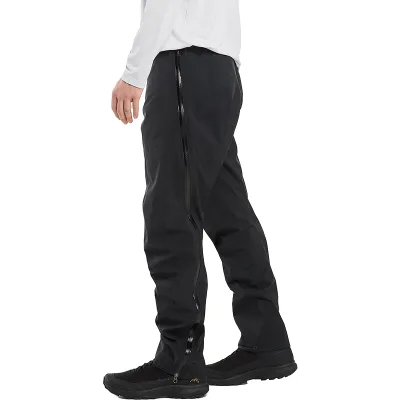


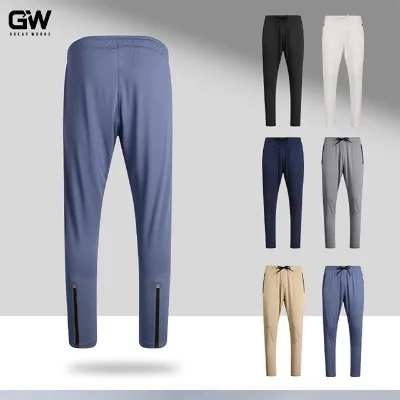
Comprehensive Sourcing Guide
Strategic Sourcing Guide for Quick Drying Waterproof Sports Pants
Understanding the Technical Landscape of Performance Trousers
When sourcing quick-drying waterproof sports pants, buyers must navigate a complex matrix of material science and functional design. The core requirement involves balancing moisture management with water resistance, a challenge that varies significantly across product categories. Based on available market data, the fabric composition for these garments often diverges from pure cotton. While some listings indicate a fabric blend of 65% Polyester and 35% Cotton, other specialized variants feature a composition of 79% Cotton, 20% Polyester, and 1% Carbon Fiber, reaching a substantial weight of 350GSM. This variation highlights the importance of verifying the specific fabric type before purchase. A product described as having "100% Cotton" fabric may not inherently possess the quick-drying properties associated with synthetic blends, as natural fibers typically retain moisture longer than polyester-based materials.
The structural integrity of the pants is equally critical. Many high-performance models feature an open-fronted structure with a zipper fly closure, designed for ease of wear in dynamic environments. The style often ranges from straight-leg trousers suitable for hiking to loose-fitting models intended for maximum mobility. In terms of thickness, the market offers options from normal to medium, with some specialized industrial-grade pants reaching lengths described as "lengthened" to provide extra coverage. The weight of the fabric, measured in GSM (grams per square meter), serves as a primary indicator of durability and thermal insulation. For instance, a standard weight of 210GSM is observed in certain industrial applications, while heavy-duty variants may exceed 350GSM. Buyers must align these technical specifications with their intended usage, whether for light outdoor activities or heavy-duty industrial protection.
Compliance Standards and Certification Verification
Verifying compliance is a non-negotiable step in the procurement of safety and performance-oriented apparel. The supply chain for these garments often references specific international standards to ensure quality and safety. In the observed market, the EN standard is explicitly cited as a benchmark for certain product lines, indicating adherence to European safety norms. Additionally, specific product models are associated with a standard weight of 210GSM, which serves as a quality control metric for fabric density. However, buyers should not assume that all products labeled as "quick drying" or "waterproof" automatically meet these standards without verification.
The thermal protection rating is another critical compliance metric. Some industrial-grade trousers are rated with a Thermal Protection level of C, suggesting a specific degree of resistance to heat or flame. For applications involving fire, chemical, or petroleum exposure, the presence of flame-retardant features is essential. The observed product attributes include "Flame Retardant" and "Anti-Radiant Heat" as key functional features, which are vital for workers in the mining, electric power, and machinery sectors. Buyers must request test reports that validate these claims against recognized standards. Without documented evidence, assertions regarding flame resistance or thermal insulation remain unverified observations rather than guaranteed performance metrics.
Cost Drivers and Pricing Dynamics
The pricing structure for quick-drying waterproof sports pants is influenced by a combination of material costs, manufacturing complexity, and order volume. The observed price range in the current market spans from $2 to $38.85 USD, reflecting a wide disparity in product quality and specification. Lower-priced items often correspond to basic cotton blends or standard outdoor wear, while higher-priced units typically incorporate advanced features such as carbon fiber reinforcement, specialized flame-retardant treatments, or custom branding. The Minimum Order Quantity (MOQ) also plays a significant role in cost determination, with observed ranges extending from 1 unit to 1,000 units.
Bulk purchasing power can significantly reduce the unit cost, but it requires careful inventory planning. The packaging method, such as individual plastic wrapping for single items versus large boxes for bulk orders, adds to the logistical cost. Furthermore, the origin of the product, primarily identified as China in the current dataset, influences shipping costs and lead times. Customization options, including logo printing and color selection, act as additional cost drivers. While the base price may be low, the addition of customized logos and specific color requirements can increase the final unit price. Buyers should analyze the total cost of ownership, including packaging, shipping, and customization fees, rather than focusing solely on the base unit price.
Typical Applications and Industry Use Cases
The versatility of quick-drying waterproof sports pants allows them to serve diverse sectors, from recreational outdoor activities to critical industrial operations. In the recreational space, these pants are designed for hiking, daily casual wear, and general outdoor activities. The "Sportswear Type" is often categorized as hiking pants, featuring straight trouser legs and loose models that facilitate movement. For daily casual use, the style may be adapted to fit a more conventional aesthetic while retaining the functional benefits of quick-drying fabrics.
In the industrial sector, the application scope expands to include high-risk environments. The observed usage categories explicitly list fire, chemical, petroleum, electric power, electronic, machinery, food, and mining industries. These applications demand pants with specific functional attributes such as anti-static properties, rip-stop capabilities, and wearproof construction. The "Anti-Wrinkle" and "Quick Dry" features are particularly valuable in environments where hygiene and rapid drying are necessary. For security personnel, the "Applicable" category notes specific use cases, suggesting that these pants are also utilized in roles requiring durability and professional appearance. The "Thermal Insulation" and "Flame Retardant" features make them suitable for workers exposed to extreme temperatures or potential fire hazards.
Supplier Evaluation and Operational Capabilities
Selecting a reliable supplier requires a thorough evaluation of their operational capabilities and production environment. The observed data indicates that the workplace for these products is typically a factory, suggesting a direct manufacturing relationship rather than a trading company. This distinction is crucial for buyers seeking quality control and direct communication. The supplier's ability to support OEM (Original Equipment Manufacturer) and ODM (Original Design Manufacturer) services is a key indicator of flexibility. Many suppliers in this sector offer support for custom branding, including customized logo printing and color selection, which allows buyers to align the product with their corporate identity.
The production capacity is another vital factor. With an observed selling unit of "Single Item" and a packing method that accommodates both individual and bulk orders, suppliers demonstrate versatility in handling different order sizes. However, buyers must verify the actual production capacity to ensure the supplier can meet demand spikes. The standard packaging, described as "Carton" for general items and "Plastic on Each Item, Large Box for Bulk Order" for specific models, indicates a structured approach to logistics. Buyers should inquire about the supplier's ability to handle custom packaging requirements, as this can impact shipping efficiency and product protection during transit.
Quality Control and Long-Term Procurement Strategy
Implementing a robust quality control (QC) strategy is essential to mitigate risks associated with sourcing sports pants. The first step involves verifying the fabric composition against the provided specifications. Discrepancies between the stated fabric type (e.g., 100% Cotton vs. 65% Polyester blend) and the actual product can lead to performance failures. Buyers should request physical samples to test for quick-drying capabilities, water resistance, and durability. The "Care Instructions," such as machine washability, should also be validated to ensure the product maintains its properties after repeated laundering.
Long-term procurement considerations extend beyond the initial order. The availability of customization options, such as logo printing and color customization, allows for brand consistency over time. However, buyers must ensure that the supplier can maintain these customization capabilities across multiple production runs. The standard size range, observed as XS-4XL, provides a broad fit for various demographics, but buyers should confirm the availability of specific sizes for their target market. Additionally, the "Single Package Size" of 30x40x5 cm and a "Single Gross Weight" of 1.000 Kg are critical for logistics planning. Buyers should calculate shipping costs based on these dimensions and weights to optimize their supply chain efficiency.
Comparative Analysis of Product Specifications
To facilitate informed decision-making, the following table summarizes key specifications observed in the market for quick-drying waterproof sports pants. This comparison highlights the diversity in material, function, and standardization.
| Specification Category | Product Variant A | Product Variant B | Product Variant C |
|---|---|---|---|
| Fabric Composition | 65% Polyester, 35% Cotton | 79% Cotton, 20% Polyester, 1% Carbon Fiber | 100% Cotton |
| Fabric Weight (GSM) | 210GSM | 350GSM | Not Specified |
| Key Features | Anti-Wrinkle, Quick Dry, Anti-Static | Flame Retardant, Thermal Insulation | Wearproof, Anti-Radiant Heat |
| Closure Type | Zipper Fly | Zipper | Zipper |
| Structure | Open Fronted | Loose | Straight Leg |
| Standard Reference | EN Standard | Customized Standard | 11 x 9 x 5.75 (Packaging) |
| Primary Usage | Security, General Outdoor | Fire, Chemical, Petroleum | Outdoor Activities, Hiking |
| Thermal Protection | C Rating | Not Specified | Not Specified |
| MOQ Range | 1 - 1000 | 1 - 1000 | 1 - 1000 |
This table illustrates that no single product satisfies all potential buyer needs. Variant A offers a balanced blend suitable for general security and outdoor use, while Variant B provides heavy-duty protection for hazardous environments. Variant C, with its 100% cotton composition, may be less suitable for quick-drying requirements but could be preferred for comfort in specific climates. Buyers must carefully match these specifications to their specific operational requirements.
Final Procurement Recommendations
Sourcing quick-drying waterproof sports pants requires a methodical approach that prioritizes technical verification and supplier reliability. Buyers should begin by defining their specific usage scenario, whether it be for recreational hiking or industrial safety. Once the application is clear, they must scrutinize the fabric composition and weight to ensure the product meets the necessary performance criteria. Verifying compliance with standards like EN and checking for specific thermal protection ratings are essential steps to guarantee safety.
Cost analysis should encompass the full scope of the purchase, including customization, packaging, and shipping logistics. While the price range is broad, the lowest price does not always equate to the best value, especially when safety and durability are at stake. Engaging with suppliers who offer OEM/ODM support and have a factory-based production model can enhance the procurement process. Finally, implementing a rigorous quality control protocol, including sample testing and verification of care instructions, will ensure that the long-term procurement strategy delivers consistent results. By adhering to these evidence-based guidelines, buyers can secure high-quality sports pants that meet their operational demands.
FAQs
What fabric compositions are available for these pants?
Available fabric compositions include a blend of 65% polyester and 35% cotton, or a heavy-duty mix of 79% cotton, 20% polyester, and 1% carbon fiber. Some variants are listed as 100% cotton, which may affect quick-drying performance compared to synthetic blends.
Which standards do the industrial-grade pants meet?
Certain industrial models explicitly adhere to the EN standard for safety compliance. These pants often feature a thermal protection rating of C and include flame-retardant properties suitable for high-risk environments like mining or electric power sectors.
Can buyers request customized logos and colors?
Yes, customization is available for both logo printing and color selection. Suppliers support OEM and ODM services, allowing buyers to align the product with their corporate identity while maintaining the functional attributes required for security or industrial use.
How does the price range vary across models?
The observed price range spans from 2 to 38.85 USD depending on material and features. Lower costs typically cover basic cotton blends, while higher prices reflect advanced specifications like carbon fiber reinforcement or specialized flame-retardant treatments.
What are the typical minimum order quantities?
Minimum order quantities range from 1 to 1000 units depending on the supplier and product model. Bulk purchasing can reduce unit costs, but buyers must verify specific MOQ requirements before placing orders for customized or specialized industrial variants.
Which industries utilize these pants for safety?
These pants are applicable for security, fire, chemical, petroleum, electric power, and mining industries. They feature anti-static, rip-stop, and wearproof attributes designed to protect workers in hazardous environments requiring thermal insulation and flame resistance.
What closure types are used in the designs?
Most models utilize a zipper fly closure for ease of wear in dynamic environments. Some variations feature a standard zipper, while the structural design often includes an open fronted configuration to facilitate movement during outdoor activities or industrial tasks.